Restoring Habitat at Beaumont-cum-Moze
Supporting wetland habitat, wildfowl and wider nature recovery through the Tendring Farm Cluster
Through the Tendring Farm Cluster Pond Restoration Fund, participating cluster members can access up to £750 to support pond restoration projects. The fund is designed to help with the design, facilitation and delivery of practical work that restores or enhances freshwater habitats across the cluster area.
This case study highlights a pond restoration project led by Bill Offord at Beaumont-cum-Moze, where an old pond within a wildfowl reserve area has been brought back into active habitat management.
The pond sits within a freehold wildfowl reserve area at Beaumont-cum-Moze, in a landscape connected to important wetland and coastal habitats. The site already supports notable bird interest, including Avocet using the main water body over the last 20 years. The reserve also sits in close ecological context with surrounding designated and priority habitats, making small-scale wetland restoration particularly valuable. By improving an existing pond and its margins, the project contributes to the wider habitat network that supports wetland birds, invertebrates and other wildlife across the Tendring area.
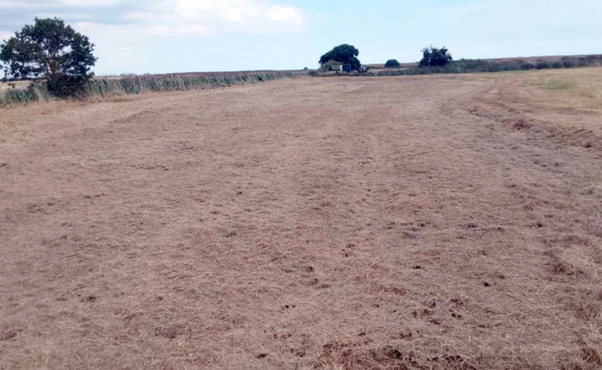
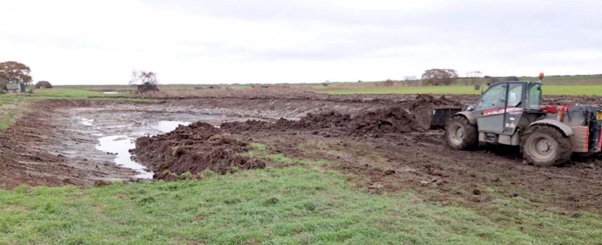
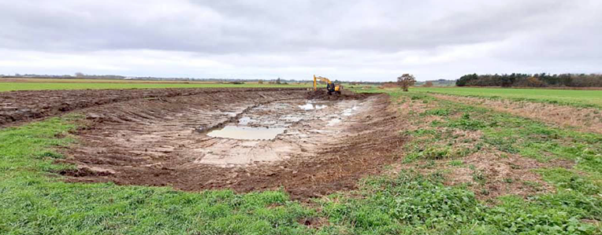
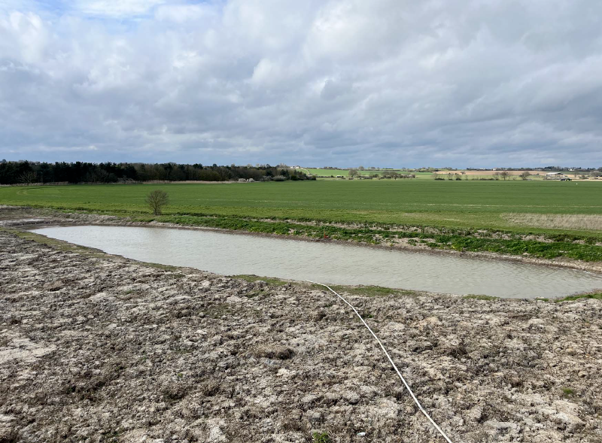
The original pond had become heavily choked with reed and sedge, limiting its value as open water habitat. In January 2026, a private contractor was brought in with a 14-tonne 360 excavator to clear and re-excavate the pond area. The work focused on removing accumulated reed, sedge and sediment, restoring open water and reshaping the surrounding spoil to create a more varied and functional pond edge.
As part of the wider works, one of the two islands within the main water body was also remodelled. Further soil cultivation and finishing work is still required, but this has been paused to avoid disturbing the ground-nesting birds. More than 60 Avocets have been recorded on site, with 22 on eggs, suggesting that the restored and remodelled habitat is providing attractive nesting and feeding conditions.
The site also attracts other notable wetland birds. Last year, four Spoonbills and a European White Stork were recorded visiting the reserve. The White Stork had no rings or tags, suggesting it may have been a wild bird, possibly from Sweden, rather than one from a captive release programme on the Knepps Estate.
The total cost of the restoration work was approximately £2,000, but the £750 contribution from the Pond Restoration Fund via the Tendring Cluster provided a meaningful contribution towards the cost of delivery and the wider nature recovery value of the project.
This project demonstrates how relatively small-scale restoration work can deliver visible benefits for wetland wildlife while strengthening the wider farm cluster network. Supporting a wildfowl reserve alongside cluster farmer members broadens participation and helps create stronger connections between farmers, land managers and local conservation interests.
The work also complements the Tendring Farm Cluster’s wider aims of supporting sustainable land use, collaboration and nature recovery across the Tendring area. Restored ponds can act as stepping stones for wildlife, improve freshwater habitat diversity and provide practical examples of what can be achieved when local land managers are supported to take action.